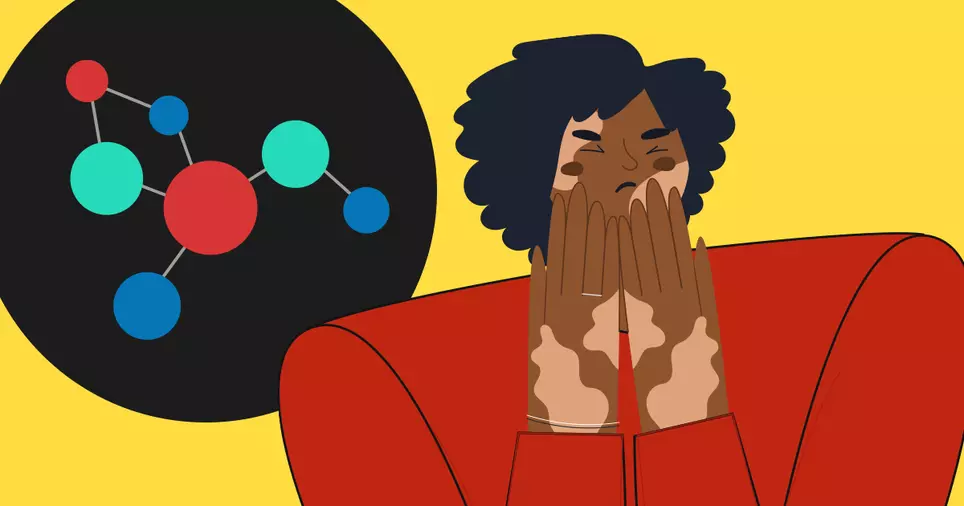
That's a really important question to consider before any cosmetic procedure. While there isn't specific research on the Nouvaderm laser and vitiligo, any form of skin trauma — including laser treatments — can potentially trigger new vitiligo patches or cause existing ones to spread.
This is known as the Koebner Show Full Answer
That's a really important question to consider before any cosmetic procedure. While there isn't specific research on the Nouvaderm laser and vitiligo, any form of skin trauma — including laser treatments — can potentially trigger new vitiligo patches or cause existing ones to spread.
This is known as the Koebner phenomenon, where injured skin loses pigment-producing cells and turns white. It can happen around 10 to 14 days after skin trauma.
Skin trauma that may trigger this includes:
- Physical wounds or cuts
- Chemical burns
- Sunburns
- Repeated pressure or friction
- Laser or cosmetic procedures
People with non-segmental vitiligo (the most common type) are especially prone to this response. Before going ahead with any laser treatment on your face, it's strongly recommended to have an open conversation with a dermatologist experienced in vitiligo. They can help weigh the risks against the benefits for your specific skin type and vitiligo pattern, and may suggest safer alternatives for managing fine lines.
July 20







 Join
Join



 Your Privacy Choices